
Our pediatric occupational therapists provide comprehensive assessment and treatment for children/youth who have sustained a traumatic brain injury (TBI). Our goal is to encourage the child/youth’s ability to function in all areas of life including self-care, productivity (e. g. school/ daycare/ university) and leisure. At every stage the client and their caregiver are included in the goal setting process to ensure a client centred approach. We communicate and work collaboratively with the multi-disciplinary team, school personnel, etc. to encourage a successful transition from injury to return to school.
Our OTs are available to assist with the following:
- Discharge Planning: Our occupational therapist will work collaboratively with the hospital OT and staff to encourage a child’s safe discharge home.
- Housing Assessment: Prior to hospital discharge, a housing assessment may be required to recommend equipment and/or modifications to the home environment prior to allow the child to function safely in their home environment.
- Rehabilitation:
- Physical: May include assessment/treatment with respect to: U/E rehab, muscle tone, splinting, fine motor skills, handwriting, motor planning, etc.
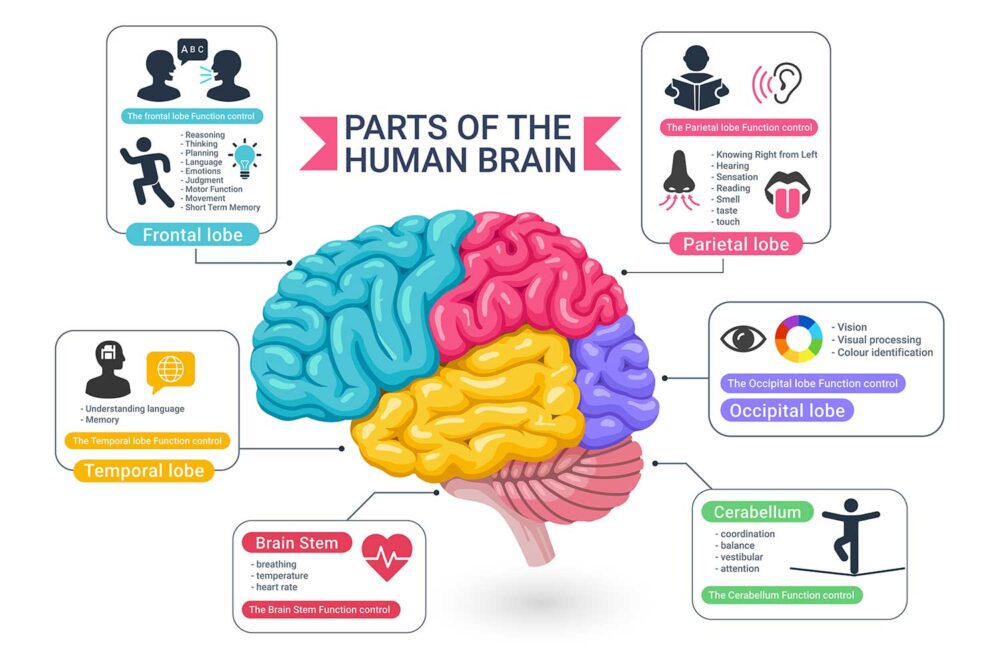
- Cognitive: May include assessment/treatment/education with respect to: attention span, behavior, memory, cognition, judgement, processing information, etc.
- Oral motor skills/ Feeding Skills: May include assessment/treatment and/or education with respect to oral motor skills and encouraging safe oral intake of fluids/solids including the progression of skills.
- Equipment: May include an in-home functional assessment with recommendations/education for equipment and/or home modifications to encourage a child’s ability to participate in safe activities of daily living (ADL) including: dressing, feeding, toileting, bathing, transportation, etc.
- Wheelchair Prescription: May include assessment/recommendations for temporary or permanent seating prescriptions (manual and power mobility).
- Graduated Return to School: May include assessment/treatment, collaboration with and education of school personnel to modify the learning environment and encourage compensatory strategies to maximize learning in the school environment.
- School Re-entry Presentations: To encourage the successful transition back to school when appropriate by educating staff and peers about TBI and supportive peer behaviors. Presentation content and format is individualized.